

I never thought I’d be the kind of person who writes about cooking. Back home in India, I wasn’t a big cook, and honestly, Indian food can feel way too complicated when you’re not used to making it. But after I moved to Europe, there were plenty of moments where I had to whip something up, and that’s when I realized how unprepared I was. The struggle wasn’t just about skill—it was about not knowing where to start when you’re hungry, busy, and staring at a random mix of ingredients in your kitchen.
That’s where AI quietly changed my cooking life. The biggest difference is this: when you ask AI for a recipe, it works with what you have. Regular recipes on the internet usually expect you to follow a predefined template—specific ingredients, specific steps, and a specific outcome. If you’re missing even one thing, you either abandon the plan or make a guess and hope for the best. AI flips that around. You tell it what’s in your fridge, what you’re craving, and how much time you’ve got, and it builds a recipe around your reality.
And it gets even better when you don’t have something the AI suggests. You can simply say, “I don’t have that,” and it will offer alternatives right away. No endless scrolling, no vague “optional” notes, no wondering whether swapping one ingredient will ruin the whole dish. It feels like having someone in the kitchen with you who actually understands constraints and can adapt on the fly.
It’s also clear this isn’t just a niche use case. Recipe experiences today are starting to feel built for how people actually cook. Some tools recognize what you’re trying to do and give you something more useful than a wall of text: interactive step-by-step instructions, timers you can start right inside the page, and the ability to switch units without doing mental math. You can also adjust serving sizes depending on whether you’re cooking for yourself or feeding a group—small details, but they remove friction at exactly the moments when you’re most likely to mess up.
For me, the ultimate validation has been at the dinner table. When I prepare meals using AI-generated recipes, both my wife and my son are genuinely happy with the results. That is not something I could confidently say in the past. It’s not that AI turned me into a professional chef—it just made cooking more approachable, more flexible, and way less intimidating.
People thank AI for all kinds of things, and I get it. But my version is simple: thank you, AI, for making me a better cook. Or at the very least, for making me someone who can walk into the kitchen with what I have, figure it out, and actually enjoy the process.
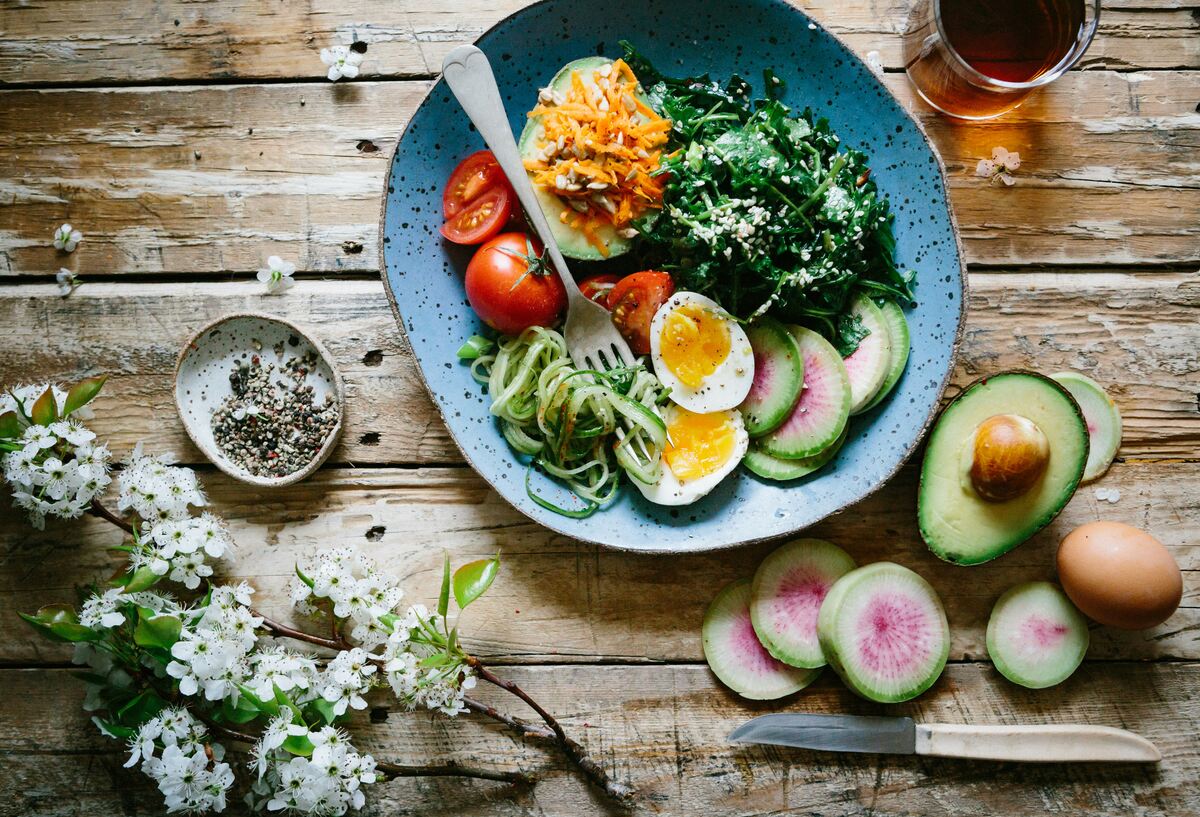
AI Generated Food
This was what AI was built for 😀